KLAF 2019 provided the architect community with a platform to build future-proof shared sustainable ecosystems and educated the public about the local architecture and design scene.

KLAF 2019 provided the architect community with a platform to build future-proof shared sustainable ecosystems and educated the public about the local architecture and design scene.
 In the painting The Son of Man (1964) by Belgian surrealist Rene Magritt, a man is depicted with an apple hovering in front of his face, his eyes peeking over the edge as if trying to catch a glimpse of what lies beyond it. Likewise, the festival started from a dream by Ar Dr Tan Loke Mun, KLAF 2019 Director with a vision to see what is ahead in order to thrive and prosper in the near future.
The Kuala Lumpur Architecture Festival (KLAF) which is organised by Pertubuhan Akitek Malaysia (PAM) is a major annual event in Malaysia’s architectural calendar. Themed ‘Tomorrow’, its 2019 iteration focused on four main issues which are the future of shelter, food security, art and architecture as well as technology in light of the impending Fourth Industrial Revolution.
It was launched by the President of PAM, Ar. Lillian Tay and Ar Dr Tan Loke Mun, and witnessed by its festival, corporate and industry partners. It was held over two weeks and three weekends at three main venues namely at Bangsar (PAM/APW), Mont’Kiara, Publika and KL City (REXKL, Ruang@ThinkCity and KL Convention Centre). The event also encouraged inclusiveness of all facets of architecture in pursuit of the goal of designing more sustainable living solutions.
In conjunction with KLAF 2019, this year celebrated the 10-year anniversary of the Green Building Index (GBI) in Malaysia. The launch of the Greening Malaysia Book also took place and was officiated by the Minister of Energy, Science, Technology, Environment and Climate Change, YB Yeo Bee Yin. It explores 500 projects from the past 10 years that have been a part of Malaysia’s green building movement and was edited by Mitchell Gelber with help from Ar Boon Che Wee and Ar Serrina Hijjas. The photographs used were taken by Lin Ho. The book aims to create awareness on environmental issues among developers, architects, engineers, planners, designers, contractors and the public.
Bringing art, science, history, technology and several new publication pieces together was the objective of Architecture + Art for KLAF 2019. The key exhibitions were Unsung Heroes, Recent Malaysian Architecture, Esok Lusa – Tomorrow, and the Day After, Built Environment: An Alternative Guide To Japan by the Japan Foundation and Building Beyond: Designing Spaceships, Habitats, and Lunar and Martian Bases.
 The Unsung Heroes exhibition gave tribute to Malaysia’s architecture and design community which played a critical and indirect role in the built environment. This included everyone from architects, general workers, drafters to visual illustrators, designers, young architects, modellers and photographers. It was a collaboration between PAM and Galeri Petronas that aimed to bring people’s attention to the importance of a building’s contribution.
 It also suggests an expansion of thinking when deliberating the term ‘iconic architecture’. Much like how great works of art are also heralded for their unique flair and technique in synchrony, it does not hinge solely on aesthetics. Their function and purpose in society are also emblematic of their iconic stature.
Unsung Heroes encourages a shift in attention to the importance of a building’s contribution, function and effectiveness in the eyes of society. For example, Kamal Hassan Architect designed the Paralympics Centre of Sports Excellence in Kuala Lumpur with disabled individuals in mind as the building should naturally reflect and respond to the various needs of the nation’s Paralympic athletes.
As an example of architecture that enhances the natural environment, the Janda Baik House by MJKanny Architect represents houses which coexist with nature. As a result, the building does not have any rightangle spaces and grew organically in form as the roof accentuated the layering hills in the distance.
Meanwhile, MITEC is a high-performance building by RSP Architects pays homage to Malaysia’s more agrarian beginnings. It was inspired by the rubber seed which symbolises the rubber industry’s contribution to the country’s economic growth. Its envelop maximises energy efficiency with its highly insulated roof and thermal performance curtain wall. Additionally, its horizontal sun shading devices, skylights and sun heat control work together to allow a considerable amount of daylight inside without overly compromising the view outside.
 Dr Barbara Imhof, a world renowned Space Architect from the Liquifier Systems Group explored how space settlements or colonies will look like and discussed the viability of their construction by presenting Building Beyond: Designing Spaceships, Habitats, and Lunar and Martian Bases. Her initiative for architectural possibility is to make space migration possible for future human survival and explores concept studies of lunar and Martian bases by building prototypes. Additionally, arts-based and basic research in the fields of biomimetics and integrating biological systems into architecture was added in the concepts of future narratives for our extended world.
 A collection of architectural masterpieces in photographs, texts and videos were exhibited in REXKL showcasing Japan’s perspective of a built environment, ‘Built Environment: An Alternative Guide To Japan’ by the Japan Foundation displayed 80 buildings, civil engineering projects and landscapes in Japan from the late 19th century to the present from all 47 prefectures. The country has a full complement of seasonal changes and is distinguished by its highly diverse geography, both of which have made natural disasters an unfortunately common occurrence there. Its buildings therefore must be able to withstand such events and the local architecture and landscape greatly reflect these conditions.
SHELTER presented real ideas and propositions for survival, basic shelter, housing, day-to-day skills, alternative materials, sustainable and urban farming. It was held from 22nd to 28th June at APW, Bangsar which includes AWAS, Tropical House for Orang Asli Design Competition and BambooArk.
Part of the future of architecture lies in responding to natural disasters and emergency scenarios. This inspired the creation of AWAS which discusses the basic principles of mitigation, preparedness, response and recovery. It exhibited tools and case studies from three NGOs which are The Scouts Association of Malaysia, Epic Homes and MERCY Malaysia which educates the public about disaster and emergency scenarios using essential learning tools.
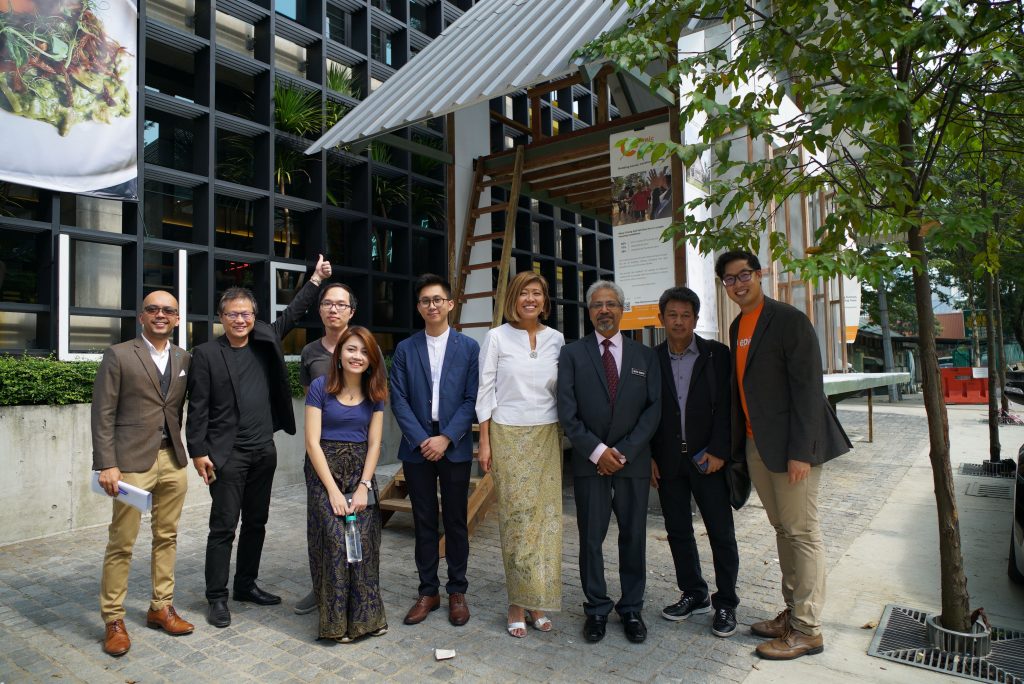 Meanwhile, faced with the reality of the urban fabric seeping rapidly into rural landscapes, the Orang Asli community is constantly battling rapid loss of access to natural resources, forcing many into the urban lifestyle. This led to the design competition Tropical House for Orang Asli in collaboration with the Extra People Impacting Communities (EPIC) Society with an aim to widen access to designs, providing potential options for the Orang Asli. Epic is a social enterprise that creates platforms that inspire, mobilise and empower people for a community transformation with a vision to make collaborative social impact accessible to all.
Over 137 entries across two categories which are rural housing and semi-urban housing were judged based on factors such as suitability, affordability and space efficiency. The momentous event surrounding the announcement of winners of KLAF 2019 International Design Competition Tropical House winners for Orang Asli was witnessed by YB P Waytha Moorthy, Minister of National Unity and Social Wellbeing, Prof Dr Juli Edo, Director General of Jabatan Kemajuan Orang Asli ( JAKOA) and Ar Lillian Tay.
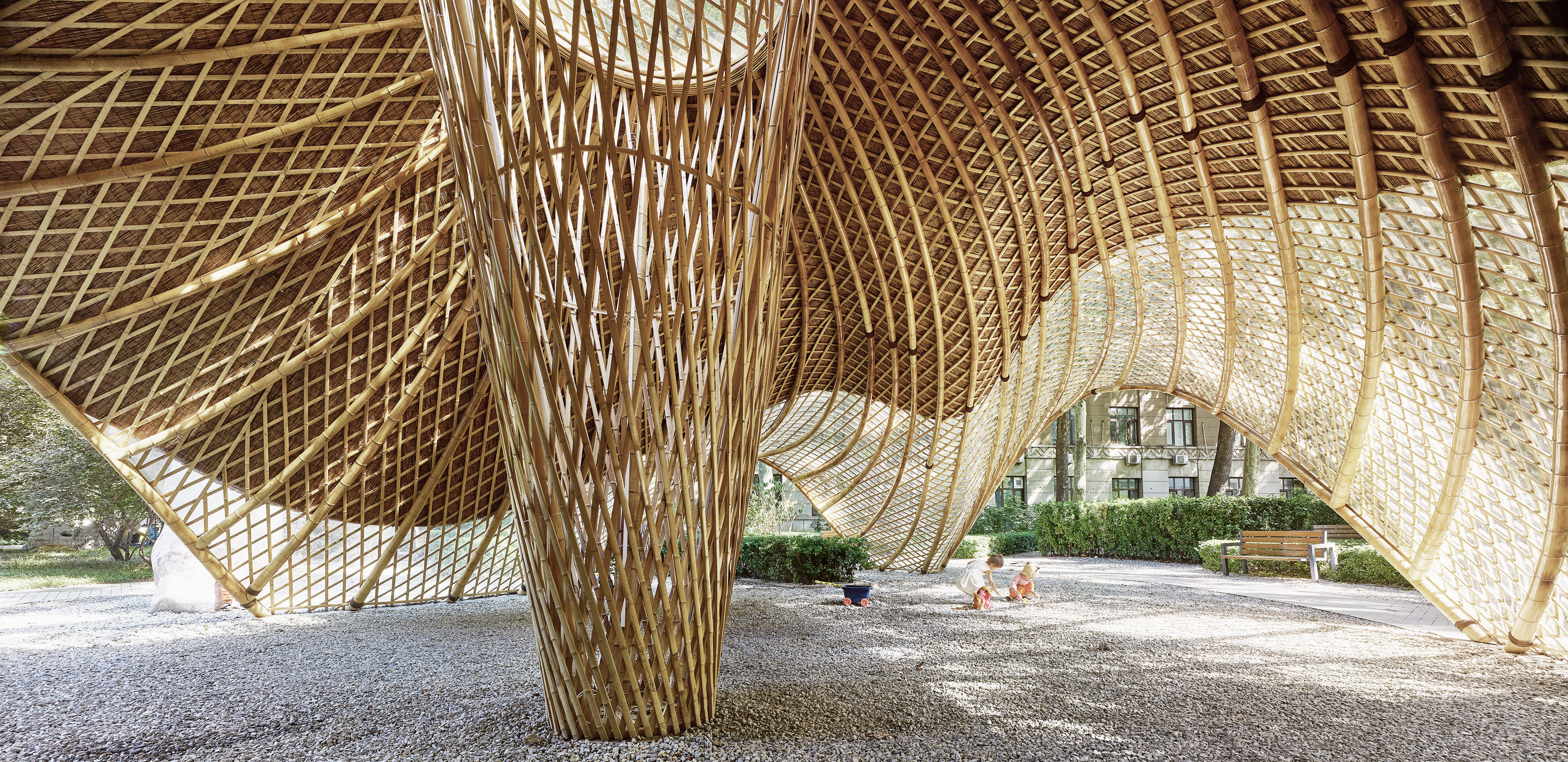
 BambooArk which was the main event of SHELTER promoted and showcased bamboo’s versatility in the field of design and construction. It presented GO BAMBOO, encouraging the use of bamboo as a renewable and sustainable material from an architect and designer viewpoint by highlighting bamboo’s properties as well as its cultivation, preservation and storing methods. A pavilion was constructed by a team led by Malaysian architect Low Ewe Jin at the venue to highlight the design concept and techniques.
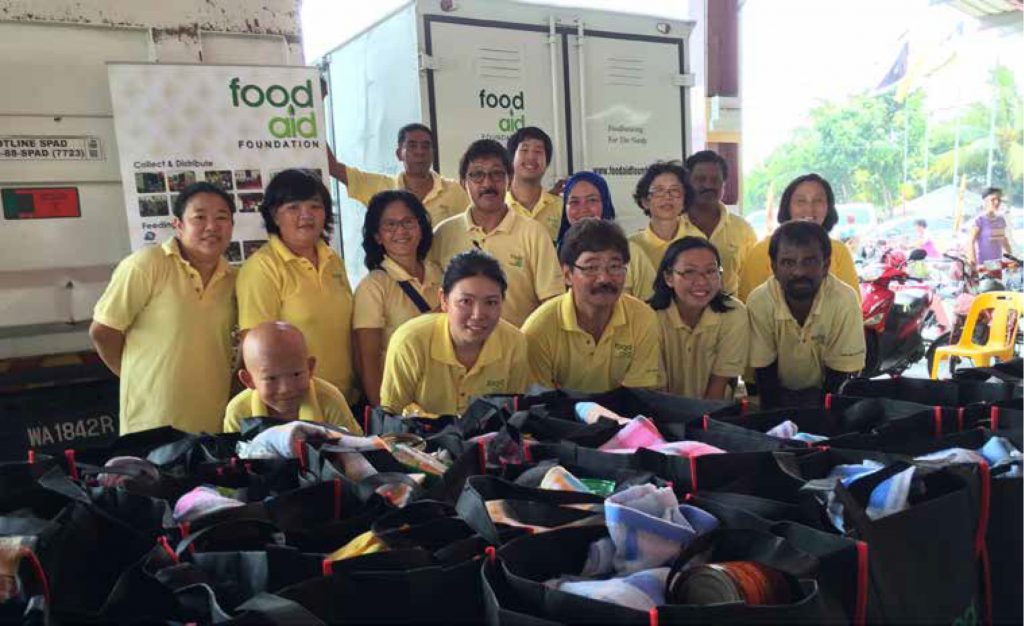
Two NGOs were also present which were the Food Aid Foundation and Kechara Soup Kitchen. Food Aid Foundation is the first organization established with an aim to reduce food wastage, and alleviate hunger and malnourishment in Malaysia. They collect and distribute surplus food on a daily basis to their beneficiaries. Meanwhile, Kechara Soup Kitchen distributes food, basic medical aid and counselling to the homeless and urban poor of Malaysia.
In the era of the Fourth Industrial Revolution, understanding technology’s role in closing the gaps in our food system is pivotal for a more balanced and greener Malaysia. Future Food is a subtheme under KLAF 2019 which addresses global issues such as food scarcity through sustainable and urban farming, food security, environmental and ecological stewardship.
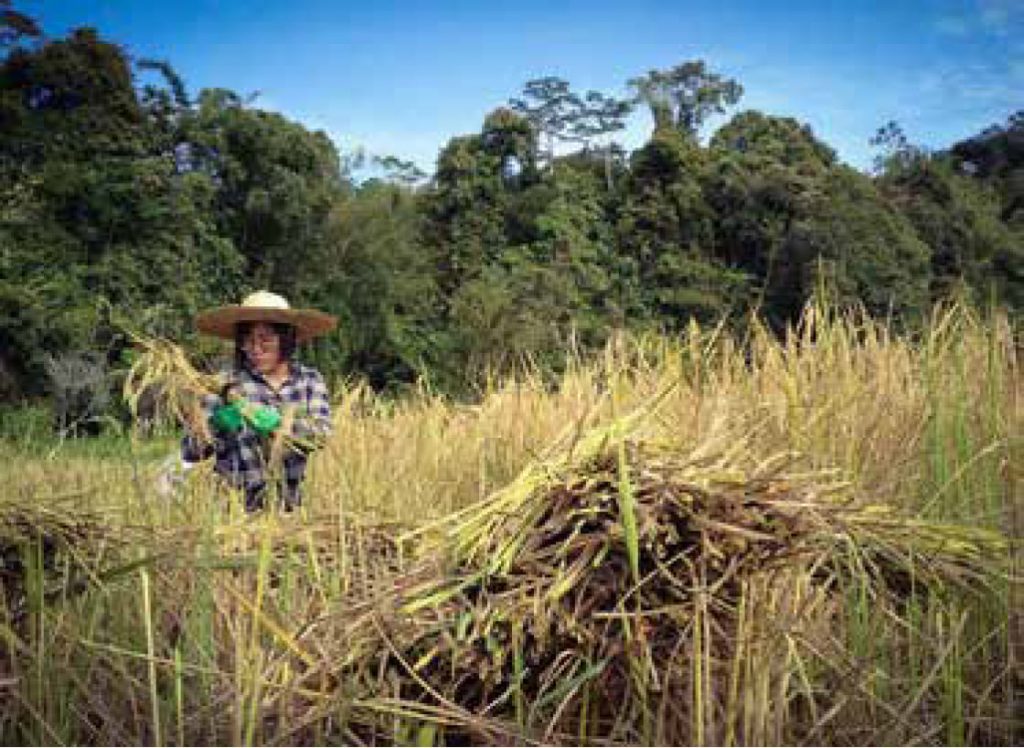
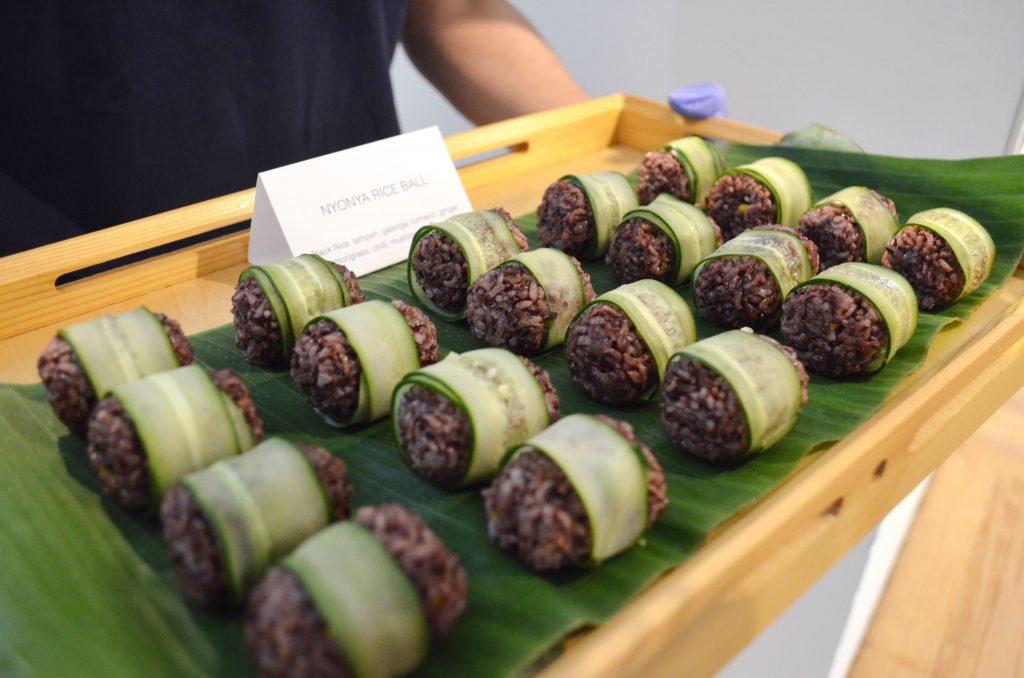 The opening ceremony of Future Food was held on the 29th of June 2019 at Black Box, Publika and officiated by YB Puan Hajjah Zuraida binti Kamarrudin, Minister of Housing and Local Government. It was followed by an interactive sharing session hosted by Langit Collective, a social enterprise that bridges the urban and rural economies by promoting agricultural produce by regional farmers in order to reach larger markets. Their locally grown rice comes from Long Semadoh Valley where they also learned about heirlooms, grains and traditional rice farming techniques from the Lun Bawang people who lived there.
 To promote a farm-to-table concept, an eco-farmers bazaar that featured biodynamic farmers, agri-tech startups and organic food vendors was set up. Urban farming, insect protein, and ethical diets was addressed at the festival presented by both academics and industry. This is to let the participants know where the food comes from as well as shed some light on the farming scene in Malaysia. It comprised a series of keynote speeches, panel discussions and talks from industry experts, farmers and activists who spoke about our food sources and how we can eat sustainably. The highlights were the 100 Jars Project, Protein from Insects Talk, Farmers Town Hall, Future Food Dining Hall and Future Food Store.
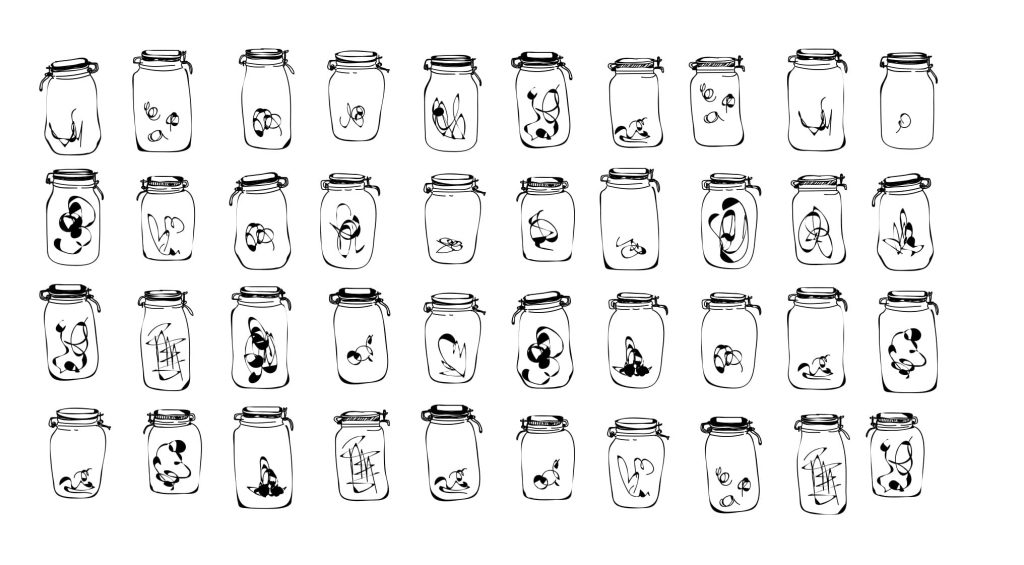 100 Jars is a showcase of how Malaysia’s collective love of food has turned into something sinister for the planet as it sheds light on its main side effect which is the excessive use of plastics. It creates visual reminders of how much plastic consumers throw out by encouraging people to adopt a jar for three days and filling it with their plastic waste. The goal is to promote better and healthier consumption habits among Malaysians.
Additionally, social enterprise PichaEats presented SALT at the Future Food Dining Hall to serve seasoning and seawater. It caters Middle Eastern food while providing an opportunity for refugees in Malaysia to start a new life.
In today’s globalised and highly interconnected world of design, the boundaries of many design disciplines are forgotten. As such KLAF has presented DATUM:KL where sustainable design, fashion, branding, product design, art, architecture, planning, urban design and politics are discussed and debated for a better tomorrow.
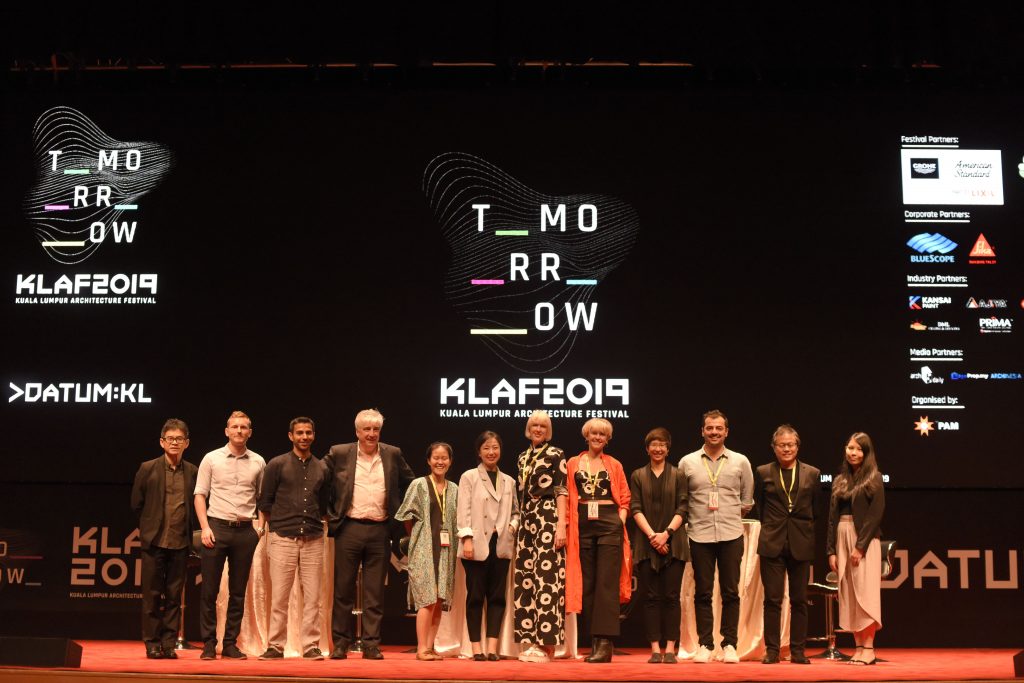 Since its inception in 2003, DATUM:KL has been growing steadily with the number of participants increasing at a very rapid rate. It is a 3-day event that is about architecture and design conference that took place at the Kuala Lumpur Convention Centre. The conference features a line-up of highly acclaimed local and international speakers and was attended by architects, developers, designers, builders, contractors and students from Malaysia and other countries in the ASEAN region.
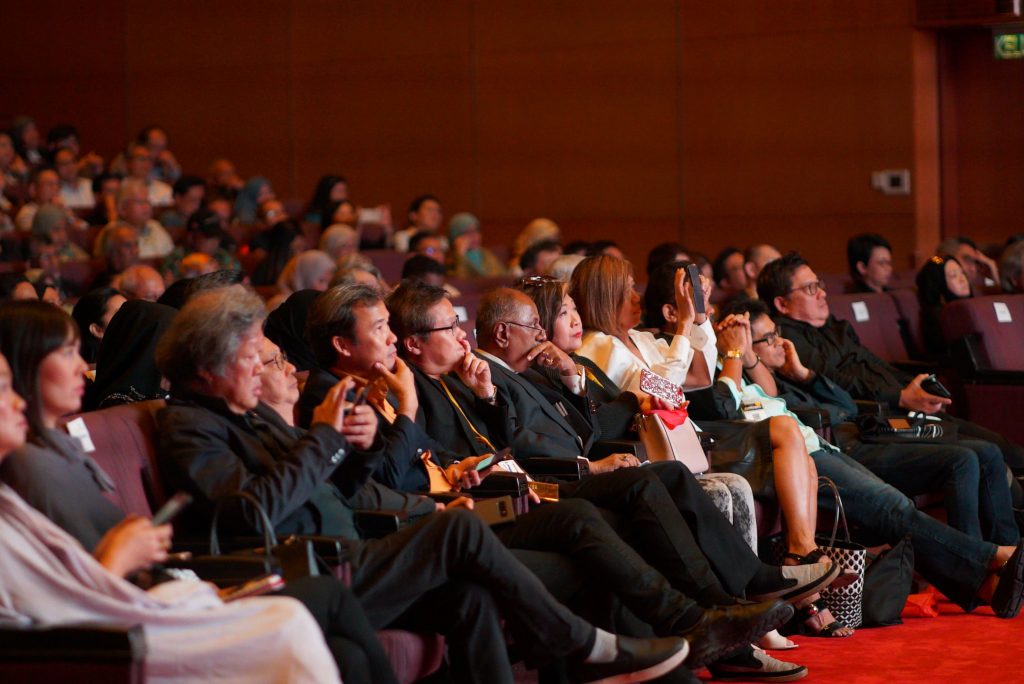 This variety of philosophies from both Eastern and Western architects were juxtaposed against each other so that participants could reflect on the new designs, ideas and exemplary works in order to build a better tomorrow. It also invites thought-leader, designer, artist, architect, planner, and politician to share their thoughts on what tomorrow never dies.
For more information, visit KLAF.


Nam eget dui. Etiam rhoncus. Maecenas tempus, tellus eget condimentum rhoncus, sem quam semper libero, Aliquam lorem ante, dapibus in