



About Author

Nam eget dui. Etiam rhoncus. Maecenas tempus, tellus eget condimentum rhoncus, sem quam semper libero, Aliquam lorem ante, dapibus in


Information
MATT DESIGN
TEL: +6012 619 6300
Shop, savour and sense the sweetness of fresh fruits through the eloquence of aesthetic Japanese cultured living in this era.
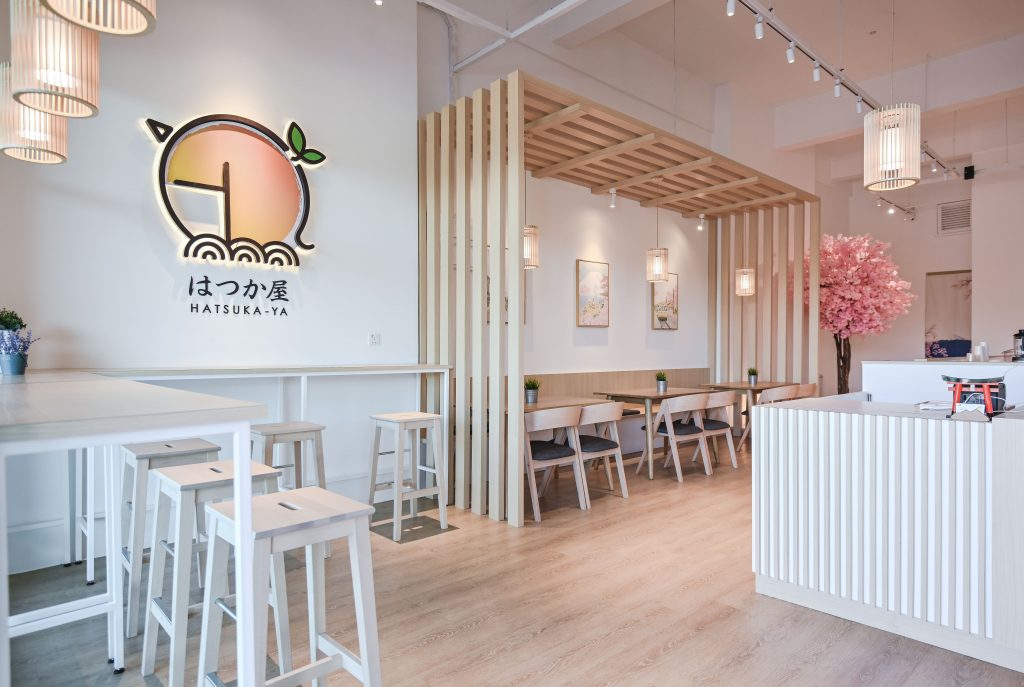 A one-of-kind ethnic trend of Zen philosophy, the minimalistic, refined colour mixes and laconic forms have epitomised a Japanese style interior design for many generations. Fruits grocery store Hatsuka-ya, sheltered in the residence building of The Henge Kepong newly discovered to cater handpicked fruits and vegetables along with a smoothie, juice bar.


 The Zen culture’s focus on creating space using natural light, materials and negative space to allow energy to flow through it. Employing the natural essence of light wood, found decked on the floor and its furnishings while the white element put together, reflects and bounces the natural light throughout the space.
 Upon entry, a rather long, enormous counter bar is positioned in the middle. Granting room for ordering, displaying, preparation and servicing customers’ needs, the counter bar is partitioned into half internally for the team to go about their routine. Spoilt for choices, wooden racks are lined up rhythmically on the right section of the wall, ready to entice any potential buyer. The space is also enhanced with a decorative wooden display corner filled with boxes and baskets to store more fruits and vegetables.

 Termed unique, the fruit display is not the only design feature that charmed the eyes of many. For those who are dining-in, one can daze at the L-shaped bar-seating corner that look out the glass window or head towards the seats roofed under a rectangular cut-out arch, that somewhat looks like a shack except this one is uncluttered in a modern, clean-lined form.
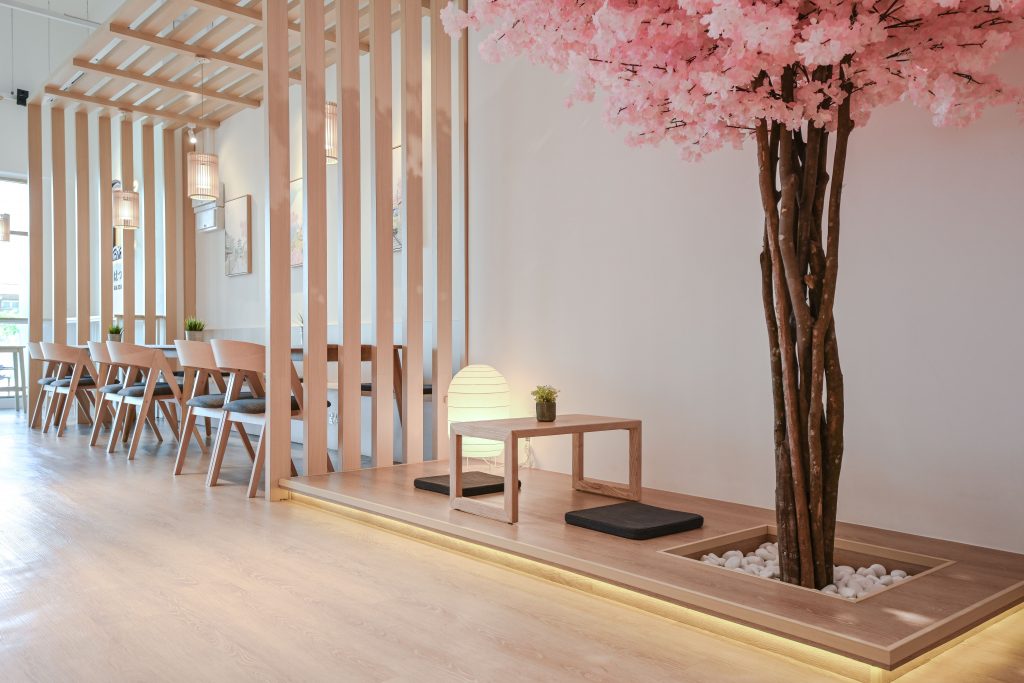 The picture perfect spot is then graced with a cylindrical, veneer lantern lightings and Japan’s cultured paintings. Not to mention, the growth of the artificial sakura tree relive an imaginary a cultural living of tatami mats during tea session. The authentic sliding doors or screens called shōji is an essential design element. Its sliding usage is meant for space saving, which intentionally resulted as giving privacy for the warmth, cosy VIP rooms concealed at the end of the store.
 More of its tradition is spotted at the entrance of the public washroom, where spring patterned noren is draped from the above. In place of embracing the Japanese renowned cuisine and tea ceremony, the culture also engage in the understated sweetness of healthy fruits in their subtle, tranquil living – all for their love and respect for nature.
For further information, visit MATT DESIGN.
Nam eget dui. Etiam rhoncus. Maecenas tempus, tellus eget condimentum rhoncus, sem quam semper libero, Aliquam lorem ante, dapibus in